| CLIENT & APPLICATION A UK manufacturer of fire detection and suppression equipment requiring mixed-technology PCB assemblies for electronic safety products used in commercial and industrial applications. |
The Real-World Challenge
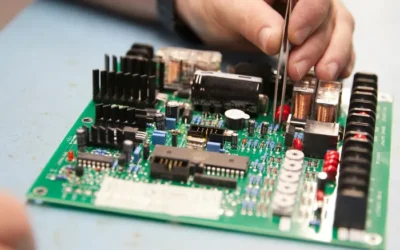
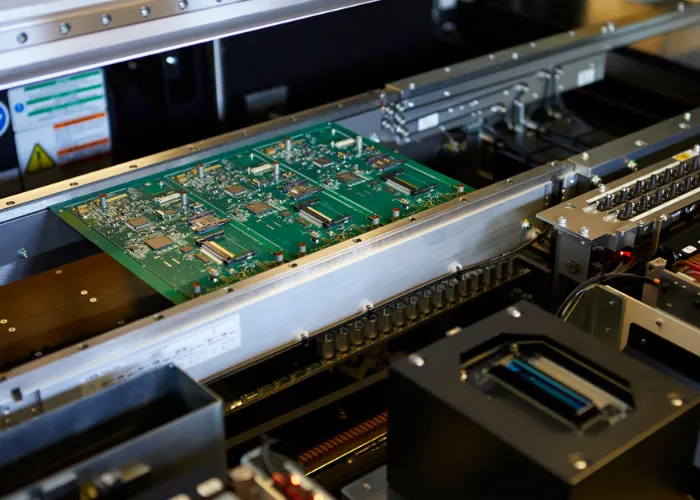
The assemblies combined surface-mount circuitry with larger through-hole parts such as connectors and relays. That meant the customer needed consistent control of two different assembly methods on the same board. Because the electronics formed part of safety-related equipment, repeatable workmanship, material control and inspection were more important than simply increasing production speed.
How Contract Production Approached It
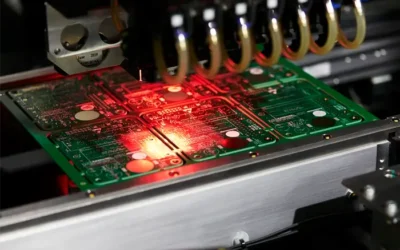
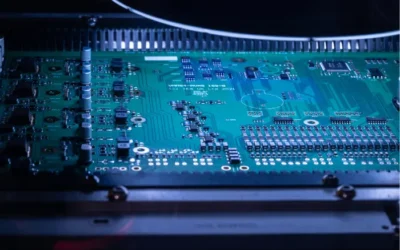
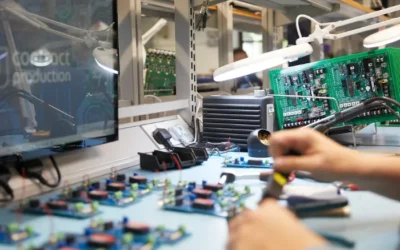
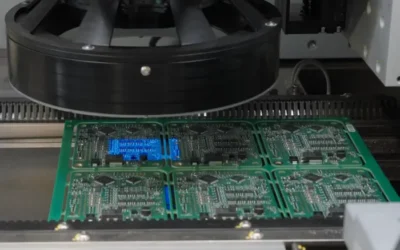
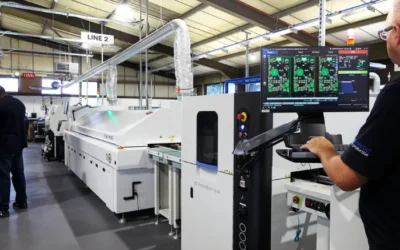
CPL established a mixed-technology production route. SMT components were placed using the Panasonic AM100 lines and soldered through controlled reflow. Through-hole components were then assembled using controlled manual or wave-soldering processes where appropriate, supported by CPL’s SEHO 8140 PCS lead-free wave soldering equipment. Post-reflow inspection was carried out using the Nordson SQ3000 3D AOI system. Assemblies were manufactured within CPL’s ISO 9001 quality system and IPC-A-610 workmanship framework, with functional testing available to the customer’s defined procedure.
Why This Approach Matters
Separating and controlling the SMT and through-hole stages reduces the risk of the mixed-technology build becoming dependent on individual operator technique. Inspection and testing are integrated into the production route rather than left until final product assembly.
Practical Outcome
- Repeatable mixed-technology PCB manufacture
- Controlled soldering of larger through-hole components
- Automated post-reflow inspection
- A documented manufacturing process suitable for ongoing supply
| CAPABILITIES USED • Panasonic AM100 SMT • Through-hole assembly • SEHO lead-free wave soldering • Nordson SQ3000 3D AOI • IPC-A-610 workmanship • Functional testing |